


Silanols are Exsymol's signature technology
It revolves around silicium that will provide the skin with multiple biological and structural benefits.
What is silicium?
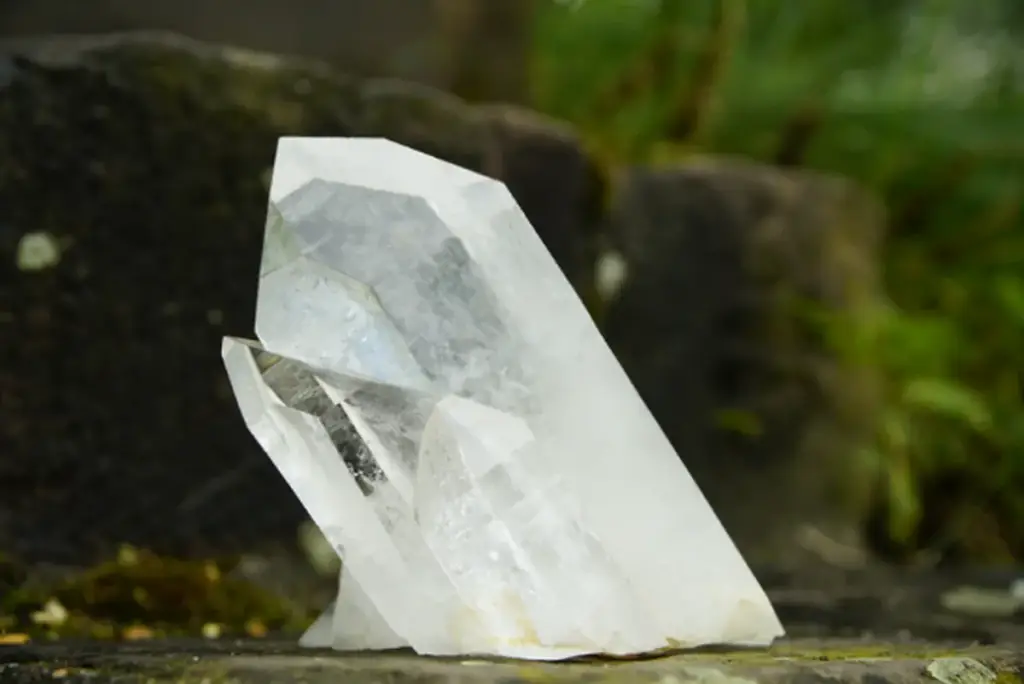
Silicium is the second most abundant element of the lithosphere. It is a metalloid with a strong affinity for oxygen and is therefore often found as an oxide, constitutive of many rocks: silica (SiO2), silicate (SiO44−)… In its crystalline form, silicium is the sole constituent of quartz, and the main constituent of many other precious or semi-precious rocks such as emerald, tourmaline and aquamarine.

Bioavailable silicium
In order to be absorbed by living organisms, silicium needs to be in a bioavailable form. In nature, this bioavailable silicium is found in water. Plants get their silicium from water. Animals get their silicium from plants and water (and other animals).

Silicium in plants
Higher plants absorb bioavailable silicium from the soil through the roots, and it will provide them with both structural and biological activities.
Silicium is responsible for strengthening cell walls and for increasing the mechanical support of the plant’s aerial parts [1,2].
In agriculture, silicium helps stimulate plant growth, especially when exposed to either abiotic (oxidative, salinity, temperature, drought, heavy metals pollution…) or biotic (pathogens and predators) stresses [3,4].
This adaptogenic activity is preserved in animals in general and in humans in particular.
Silicium in humans
In humans, and more globally in mammals, silicium is mostly found in connective tissues. The human body contains 1 to 2 grams of silicium. It is involved in growth and development, and contributes to increasing the resistance of the body to several stresses and conditions [5,6].
Blood vessels
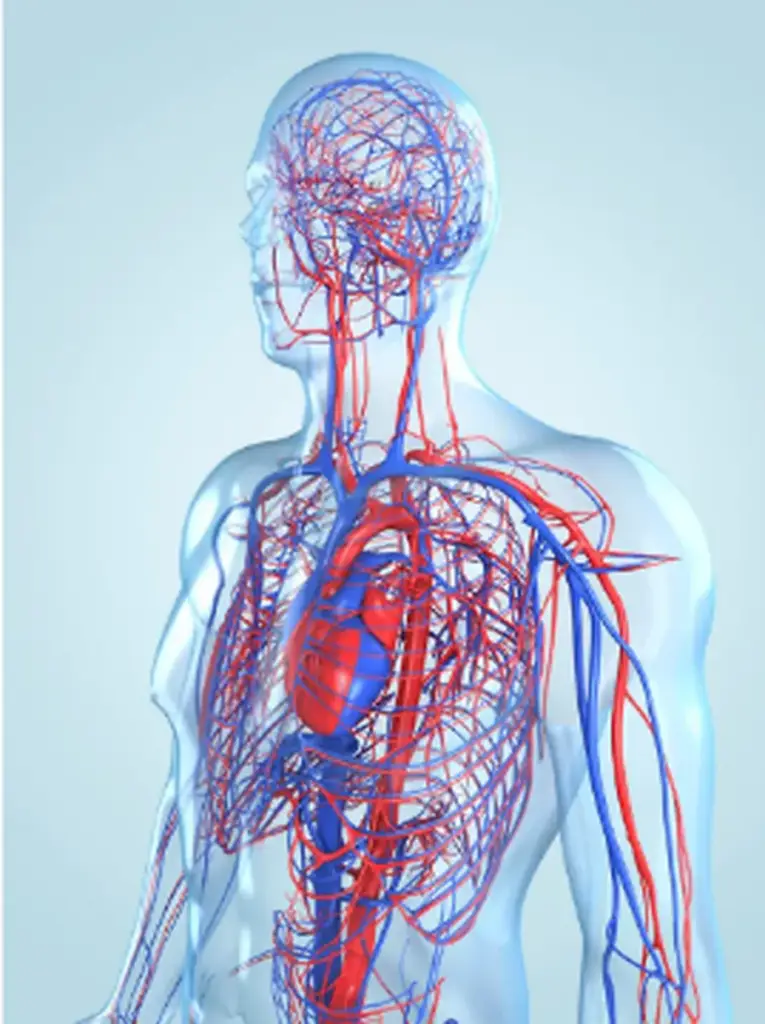
In blood vessels walls, silicium reduces the risks of atherosclerosis thus contributing to increasing the elasticity of the blood vessels thus reducing the risk of cerebrovascular accidents / strokes [7].
Brain
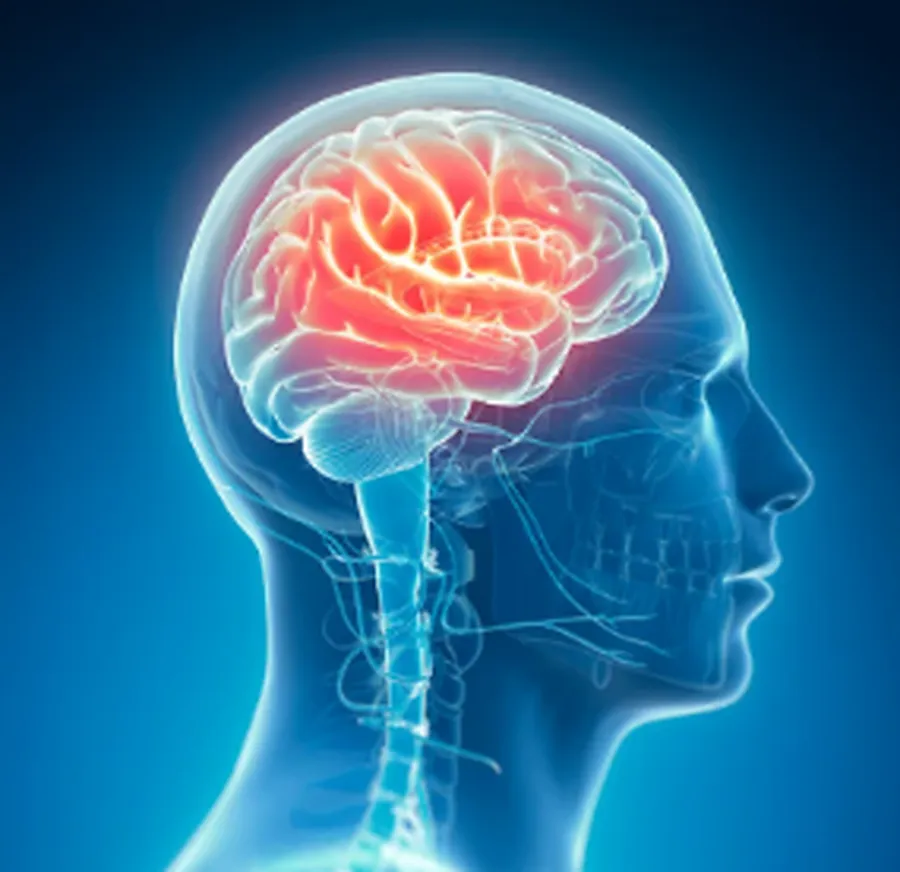
Silicium is also a chelator of aluminum. It thus reduces its absorption in the gut and prevents it from bypassing the blood-brain barrier. This contributes to reducing the risk of neurodegenerative diseases such as Alzheimer and/or Parkinson [8].
Bones
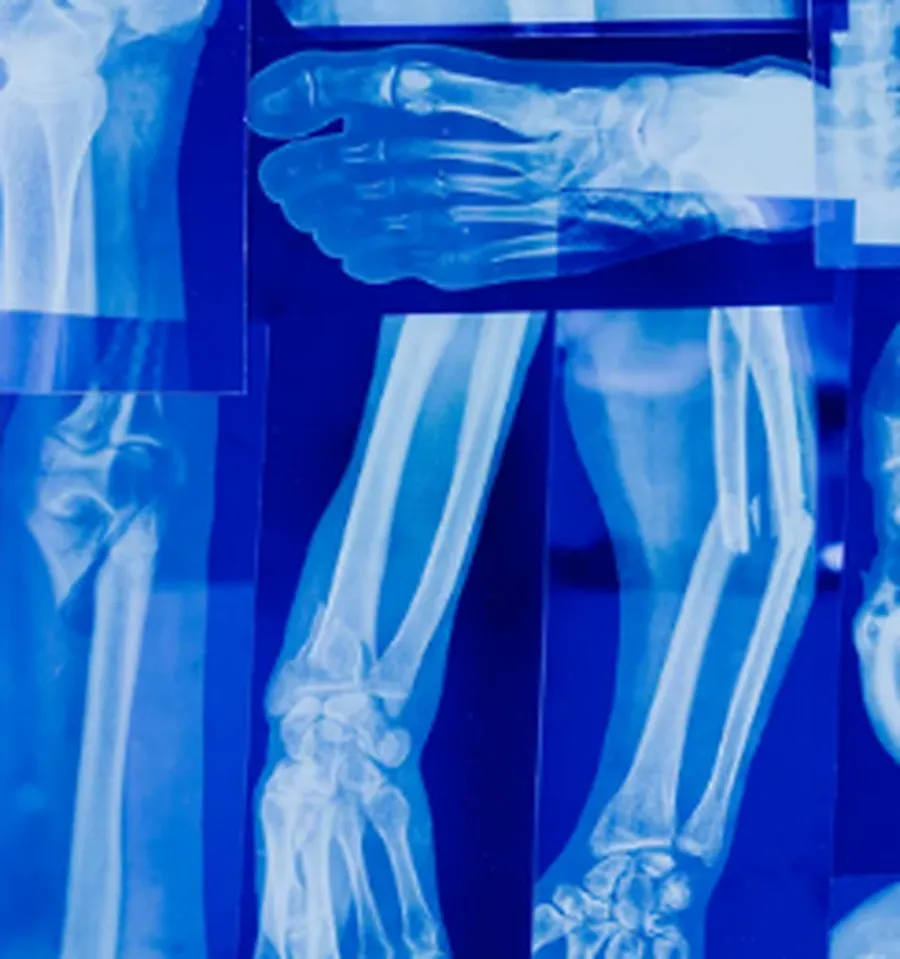
In bones, silicium contributes to increasing bone mineral density by promoting osteoblast differentiation while decreasing bone resorption through the inhibition of osteoclast differentiation [9-11].
Silicium in skin
In human skin, silicium is both an architect and a choreographer as it has both a structural and biological effect.
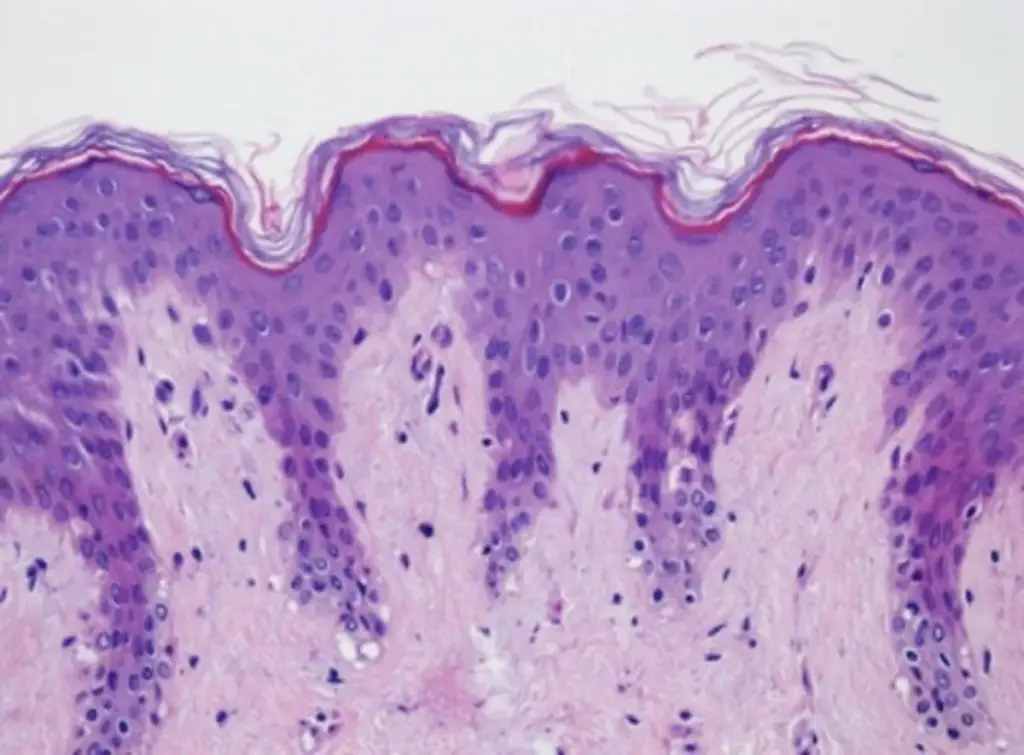
Silicium as an architect of the skin
Silicium interacts with fibers (collagen, elastin) and glycosaminoglycans (hyaluronic acid…). This allows for the formation of crosslinks between all these structure elements and contributes to ensuring an optimal skin architecture.
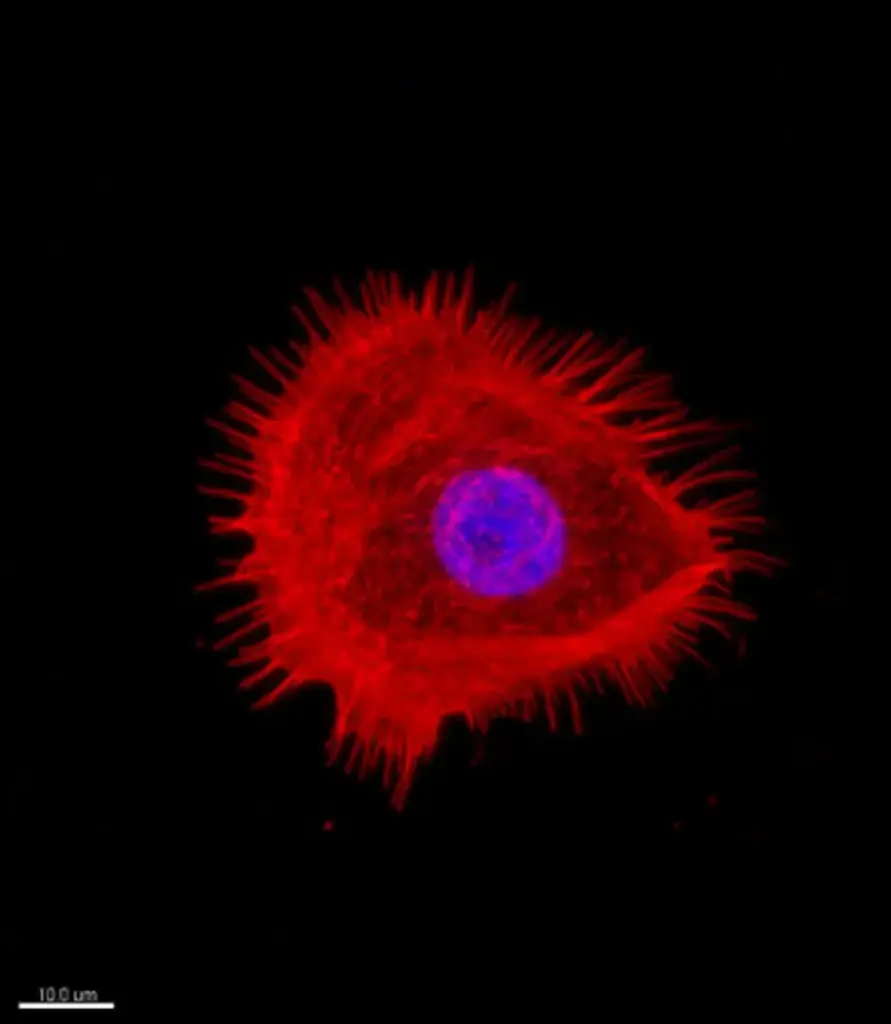
Silicium as the skin choreographer
Silicium stimulates the activity of most skin cells and promotes cell communication.
In the epidermis, silicium stimulates keratinocyte proliferation for a thicker epidermis and a better protected and better hydrated skin.
In the dermis, silicium stimulates fibroblast activity. This leads to higher collagen and hyaluronic acid production, together with a better organized extracellular matrix. This contributes to a denser, firmer and more elastic skin.
In the hypodermis, silicium contributes to fat control and helps counter cellulite, for a firmer skin.
These benefits are both direct and indirect as silicium promotes cell communication.

Silicium and aging
With age, the silicium content in the body tends to decrease [12,13]. This contributes to increasing the chances of cardiovascular conditions, of strokes, of neurodegenerative diseases and the appearance of aging signs such as wrinkles, sagging tissue [14,15]…
While most silicium intake comes from food, not enough silicium is reabsorbed in the gut to balance the natural loss that occurs during tissue remodeling and turnover.
This highlights the need for bioavailable silicium supplementation either orally through food supplements or topical application of a cosmetic / pharmaceutical product.
The bioavailability of silicium (i.e., its ability to be reabsorbed in the gut and to reach the blood stream and the targeted tissue) is heavily dependent on its molecular form.
The different forms of silicium

Silicium as an oxide
The most common form of silicium is as an oxide (such as SiO2 or many others). As such, silicium is inert, with low to no bioavailability, and has no biological activity in the living.
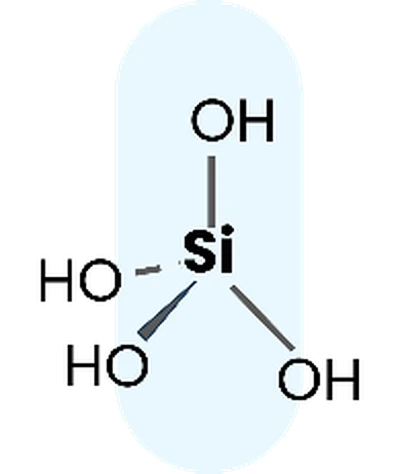
Orthosilicic acid
Oxides may be slowly degraded into orthosilicic acid (OSA, Si(OH)4), a soluble and bioactive form of silicium. This is the form most often found in the living. While OSA presents a strong bioactivity, it is also prone to self-polymerization, even at low concentration. As the polymer grows in size, the biological activity drops until becoming inactive.
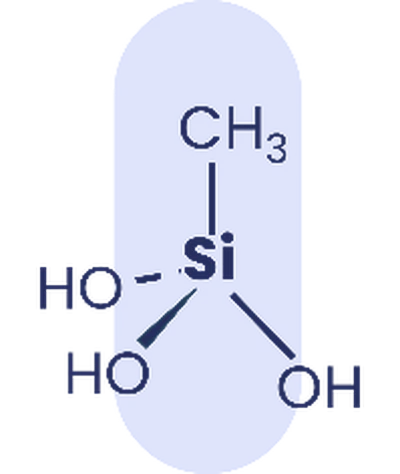
Methyltrisilanol (aka silanetriol)
Exsymol developed MTS (methyltrisilanol, SiCH3(OH)3) where a hydroxyl (-OH) moiety is replaced by a methyl group (-CH3). This dramatically reduces the reactivity of the silicium thus preventing its self-polymerization and eventual inactivation, while preserving its biological and structural capacities.
Silanols for topical skin supplementation in silicium
Using only bioavailable forms of silicium, Exsymol developed the “Silanols”, a dermocosmetic-grade range of active ingredients that aims at recharging the skin in silicium. After only 48 hours of treatment with a silanol, the silicium content was increased tenfold in the epidermis and fivefold in the dermis. This leads to a visible reduction of aging signs.
- ×10silicium content in the epidermis
- ×5silicium content in the dermis
- 48 hof treatment only
Oral silicium supplementation
To date, there is no official recommended daily allowance for silicium intake. However, we estimate that 20–50 mg of silicium is ingested each day through food. Cereals, mineral water, beer, banana… are all rich in silicium. However, silicium in food is rarely bioavailable and silicium supplementation relies on optimized bioavailability.
References15 scientific sources
- Guerriero G, Hausman JF, Legay S. Silicon and the Plant Extracellular Matrix. Front Plant Sci. 2016 Apr 12;7:463.
- Xu R, Huang J, Guo H, Wang C, Zhan H. Functions of silicon and phytolith in higher plants. Plant Signal Behav. 2023 Dec 31;18(1):2198848.
- Thakral V, Raturi G, Sudhakaran S, Mandlik R, Sharma Y, Shivaraj SM, Tripathi DK, Sonah H, Deshmukh R. Silicon, a quasi-essential element: Availability in soil, fertilizer regime, optimum dosage, and uptake in plants. Plant Physiol Biochem. 2024 Mar;208:108459.
- Artyszak A. Effect of Silicon Fertilization on Crop Yield Quantity and Quality-A Literature Review in Europe. Plants (Basel). 2018 Jul 6;7(3):54.
- Götz W, Tobiasch E, Witzleben S, Schulze M. Effects of Silicon Compounds on Biomineralization, Osteogenesis, and Hard Tissue Formation. Pharmaceutics. 2019 Mar 12;11(3):117.
- Vasanthi N, Saleena LM, Raj SA. (2012). Silicon in Day Today Life. World Applied Sciences Journal. 17(11):1425–1440.
- Loeper J, Goy-Loeper J, Rozensztajn L, Fragny M. The antiatheromatous action of silicon. Atherosclerosis. 1979 Aug;33(4):397-408.
- Edwardson JA, Moore PB, Ferrier IN, Lilley JS, Newton GW, Barker J, Templar J, Day JP. Effect of silicon on gastrointestinal absorption of aluminium. Lancet. 1993 Jul 24;342(8865):211-2.
- Rondanelli M, Faliva MA, Peroni G, Gasparri C, Perna S, Riva A, Petrangolini G, Tartara A. Silicon: A neglected micronutrient essential for bone health. Exp Biol Med (Maywood). 2021 Jul;246(13):1500-1511.
- Reffitt DM, Ogston N, Jugdaohsingh R, Cheung HF, Evans BA, Thompson RP, Powell JJ, Hampson GN. Orthosilicic acid stimulates collagen type 1 synthesis and osteoblastic differentiation in human osteoblast-like cells in vitro. Bone. 2003 Feb;32(2):127-35.
- Magnusson C, Ransjö M. Orthosilicic acid inhibits human osteoclast differentiation and bone resorption. PLoS One. 2024 Oct 15;19(10):e0312169.
- Bissé E, Epting T, Beil A, Lindinger G, Lang H, Wieland H. Reference values for serum silicon in adults. Anal Biochem. 2005 Feb 1;337(1):130-5.
- Jugdaohsingh R, Watson AI, Pedro LD, Powell JJ. The decrease in silicon concentration of the connective tissues with age in rats is a marker of connective tissue turnover. Bone. 2015 Jun;75:40-8.
- Carlisle EM. Silicon as a trace nutrient. Sci Total Environ. 1988 Jul 1;73(1-2):95-106.
- Jurkić LM, Cepanec I, Pavelić SK, Pavelić K. Biological and therapeutic effects of ortho-silicic acid and some ortho-silicic acid-releasing compounds: New perspectives for therapy. Nutr Metab (Lond). 2013 Jan 8;10(1):2.