At Exsymol, research is at the heart of innovation
Developing a cosmetic active ingredient requires more than demonstrating its efficacy: it requires understanding the biological mechanisms that influence skin health and the quality of its appendages.
Our research programs connect expertise in chemistry with advances in skin and hair biology. This interdisciplinary approach allows us to explore how molecules interact with living tissues, identify new biological targets and translate scientific knowledge into innovative cosmetic ingredients.
Chemistry
Skin & hair biology
Cosmetic ingredients
Our research areas
Our scientific interests cover several complementary areas
01
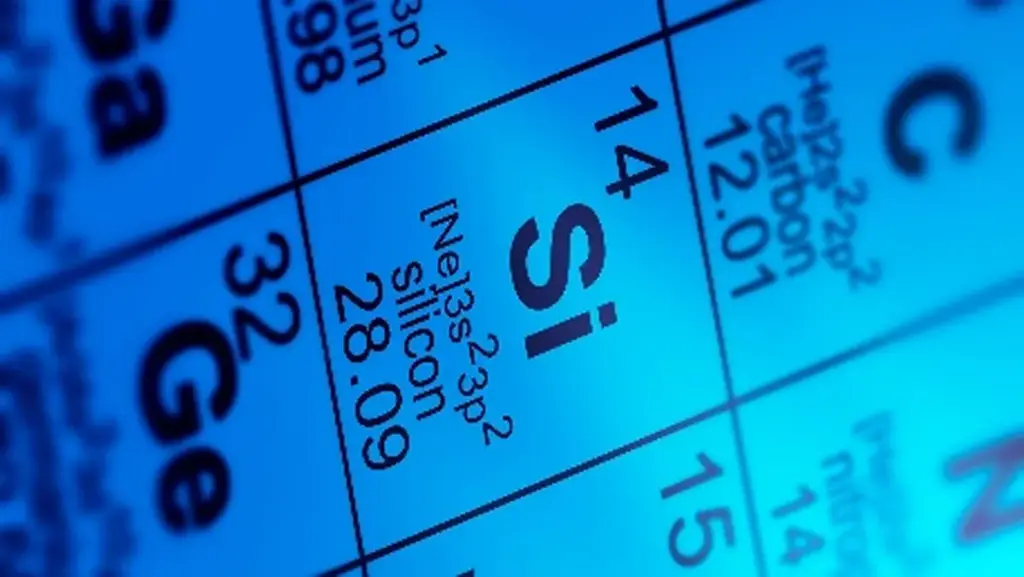
Silicium biology
Silicon has been part of Exsymol’s scientific heritage for decades. We continue to investigate its biological properties and its interactions with skin cells and connective tissues in order to deepen our understanding of this unique element.
02
Naturalness and bio-inspired innovation
Nature remains an important source of inspiration for cosmetic innovation. Our research explores natural molecules, biological metabolites and bio-inspired approaches to identify new functional ingredients and develop innovative solutions combining efficacy and naturalness.
03
Extracellular matrix and tissue biomechanics
The extracellular matrix plays a fundamental role in the structure, mechanical properties and resilience of connective tissues. We investigate the mechanisms involved in matrix organization and remodeling to better understand how skin maintains its firmness and elasticity over time.
04
Glycation and skin ageing
Glycation progressively alters proteins and tissue organization and contributes to visible signs of ageing. Understanding the mechanisms of glycation and its consequences on skin structure helps us identify new strategies to preserve tissue quality.
05
Skin repair and vascularization
Skin regeneration depends on coordinated cellular communication, extracellular matrix remodeling and an appropriate vascular environment. Our research explores these mechanisms to better understand the biological processes involved in skin repair and regeneration.
06
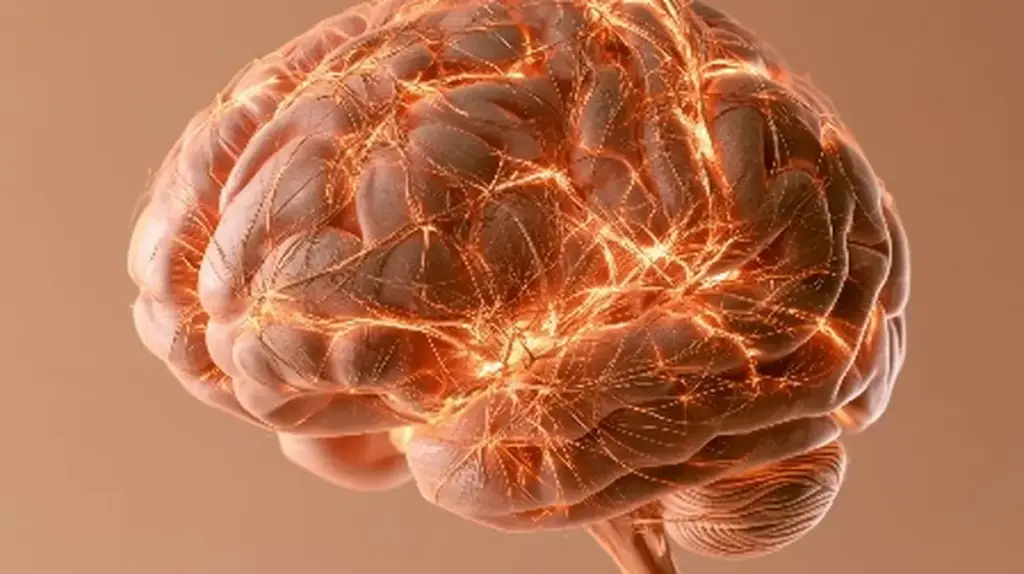
Neurobiology and the skin
The skin is constantly influenced by signals originating from the nervous system. Stress mediators and neurochemical signals can affect skin homeostasis, inflammation and regeneration. This emerging field opens new perspectives for understanding the relationship between emotions, stress and skin biology.
07
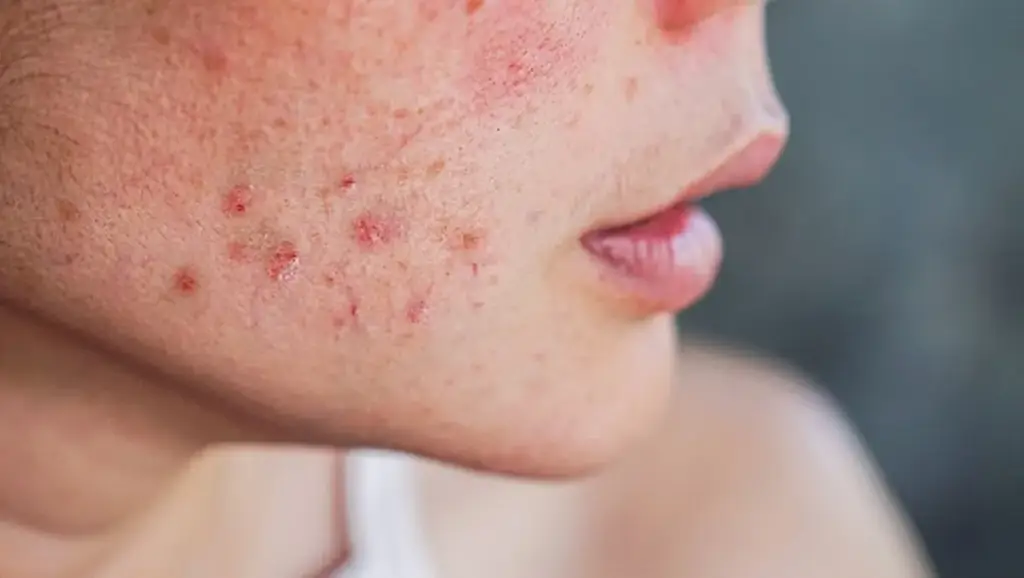
Inflammation and skin immunity
Inflammation is essential for protecting the skin, but persistent or dysregulated inflammatory responses can contribute to tissue alteration and premature ageing. Our research investigates the biological mechanisms involved in skin inflammation and immune balance.
By combining chemistry, biology and advanced experimental models, our research programs contribute to a better understanding of skin physiology and help create the scientific foundations for the cosmetic ingredients of tomorrow.